Application of INTER-CASE to INTER-HEALTH Use Case
This section briefly illustrates the integration procedure of the two involved platforms (namely BodyCloud Proxy and UniversAAL) in the INTER-HEALTH pilot carried out following the INTER-IoT concrete instantiation of INTER-METH, by means of INTER-CASE.
The Integrator user first logs in the web-based INTER-CASE and starts a new Integration Project. A summary page, Project Status (see Figure 3.1), shows an overview of the integration procedure. In this case, we just focus on the Analysis and Design phases.
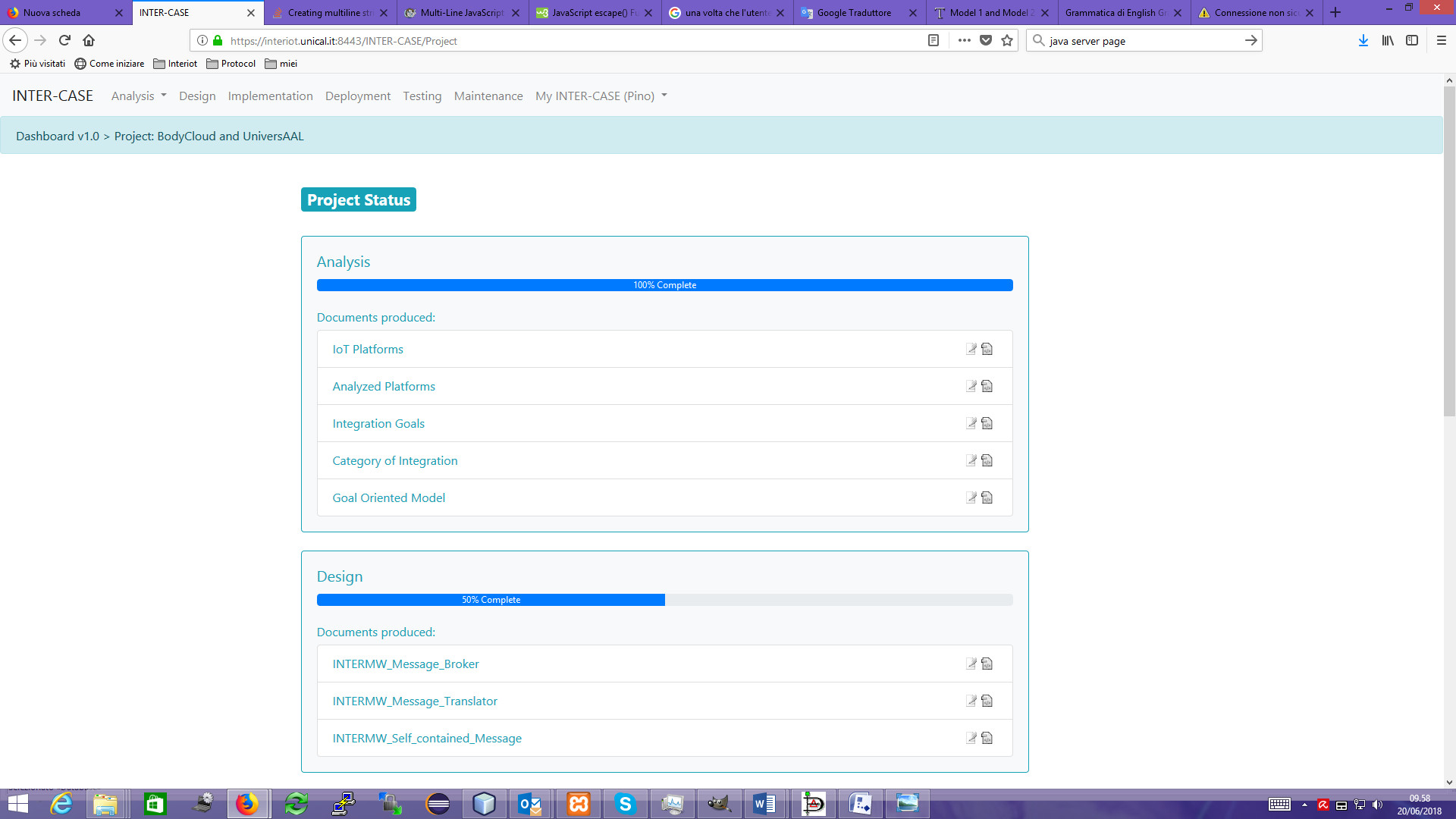
Figure 3.1: Project Status summary of INTER-HEALTH Integration
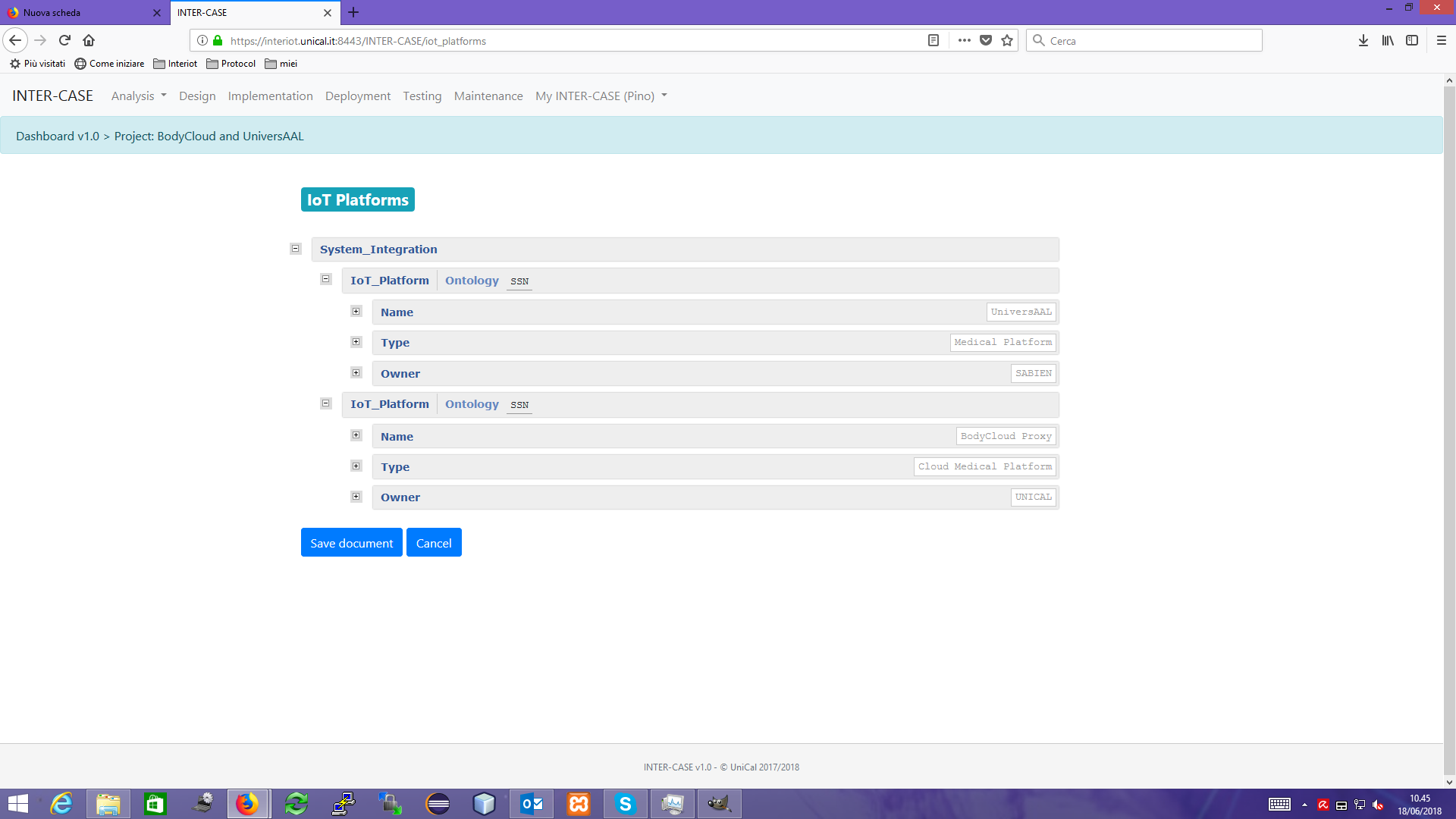
Figure 3.2: BodyCloud and UniversAAL general information
Figure 3.2 depicts the information provided by the Integrator about the two platforms involved in INTER-HEALTH (i.e. BodyCloud and UniversAAL).
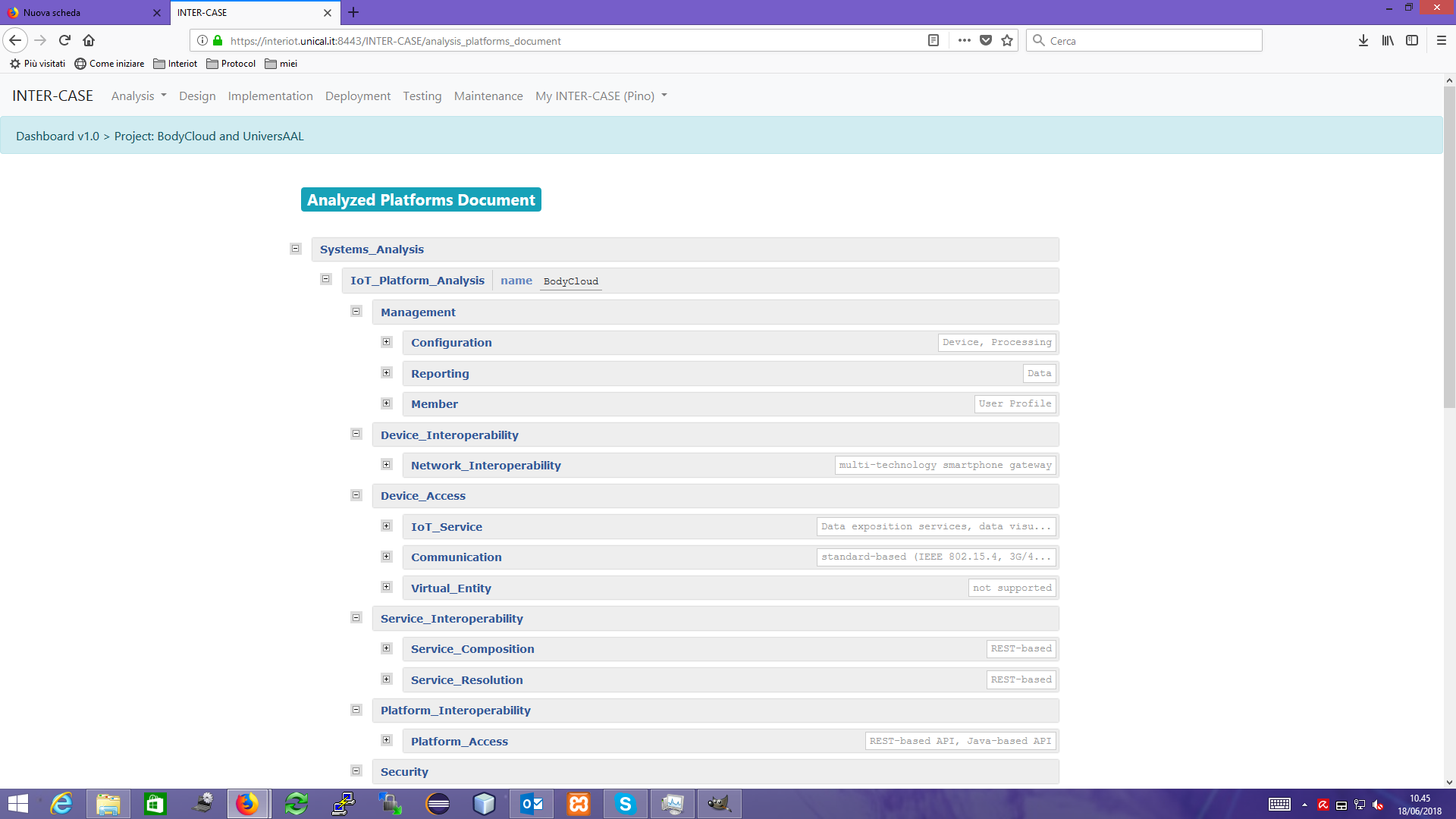
Figure 3.3: BodyCloud and UniversAAL analysed according to the Architecture Reference Model (ARM)
Once specified, the two platforms have to be analyzed according to the ARM introduced in the Deliverable D4.1 (see Figure 3.3). This is a critical activity since allows the conceptual alignment - at architectural model level - of BodyCloud and UniversAAL which is necessary to proceed with the integration process. Such analysis has been already reported in Deliverable D4.1 for UniversAAL and in D4.2 for BodyCloud.
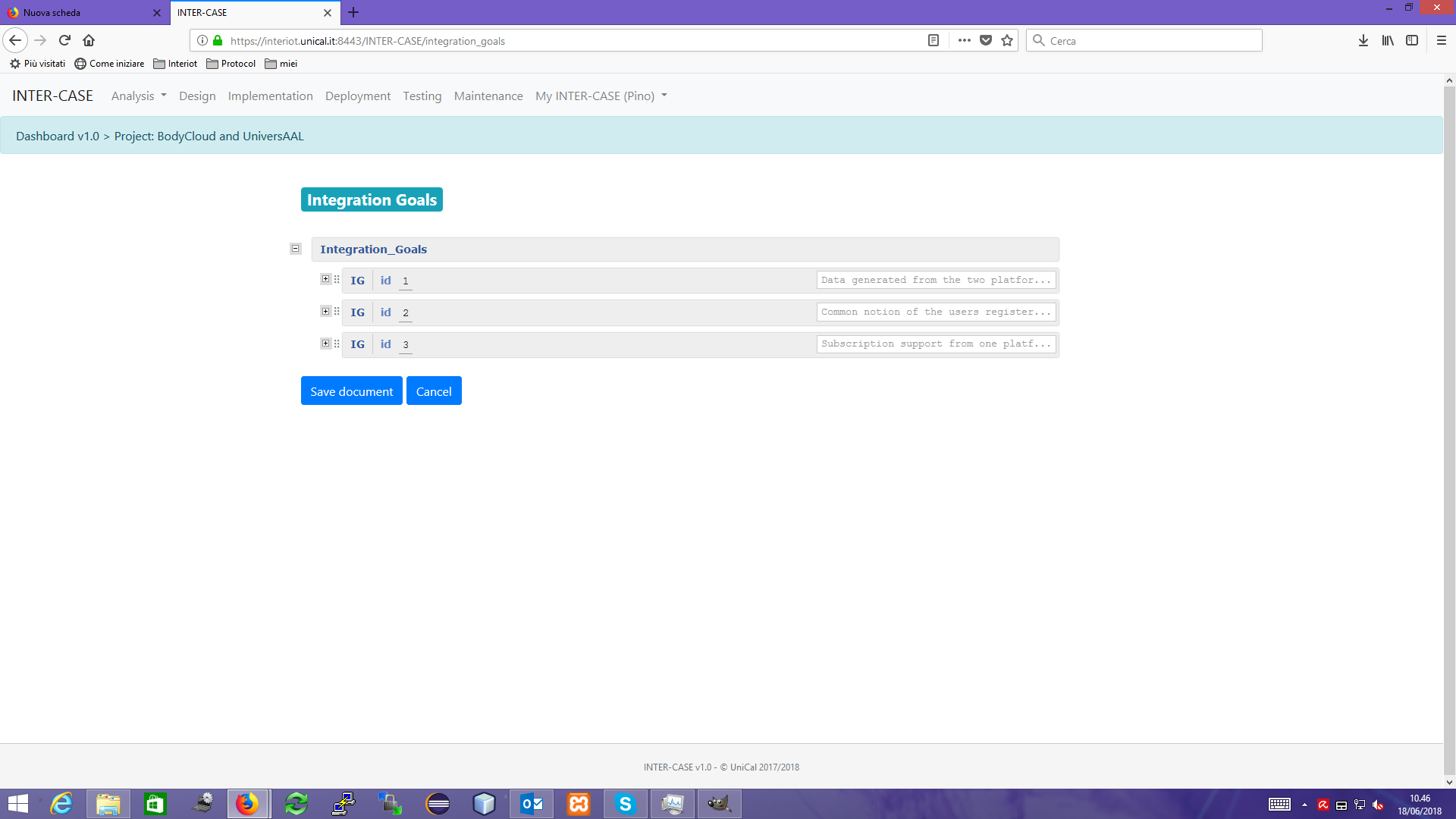
Figure 3.4 : INTER-HEALTH integration goals
After producing the Analyzed Platform Document, the Integrator defines the high-level integration requirements (see Figure 3.4) of INTER-HEALTH. In the context of INTER-METH such high-level requirements are called Integration Goals.
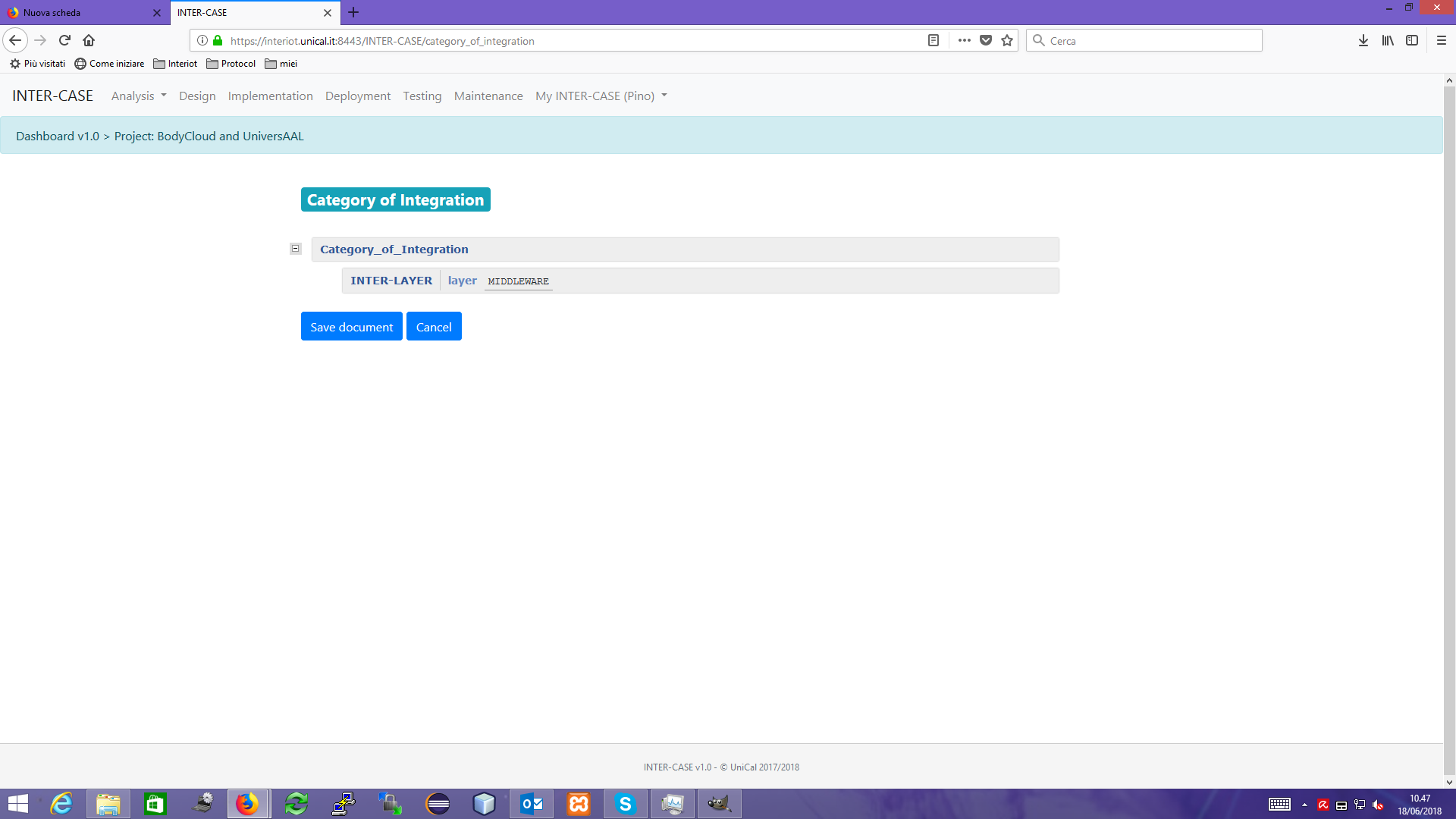
Figure 3.5: Identified Categories of INTER-HEALTH Integration
According to the Analyzed Platform Document, the Integrator identifies at which level (in terms of INTER-Layer) the two Platforms can be integrated. In the context of INTER-METH such layer is called Category of Integration. In case of BodyCloud and UniversAAL, the Integrator user identifies INTER-MW (Middleware) as the most appropriate integration layer (see Figure 3.5).
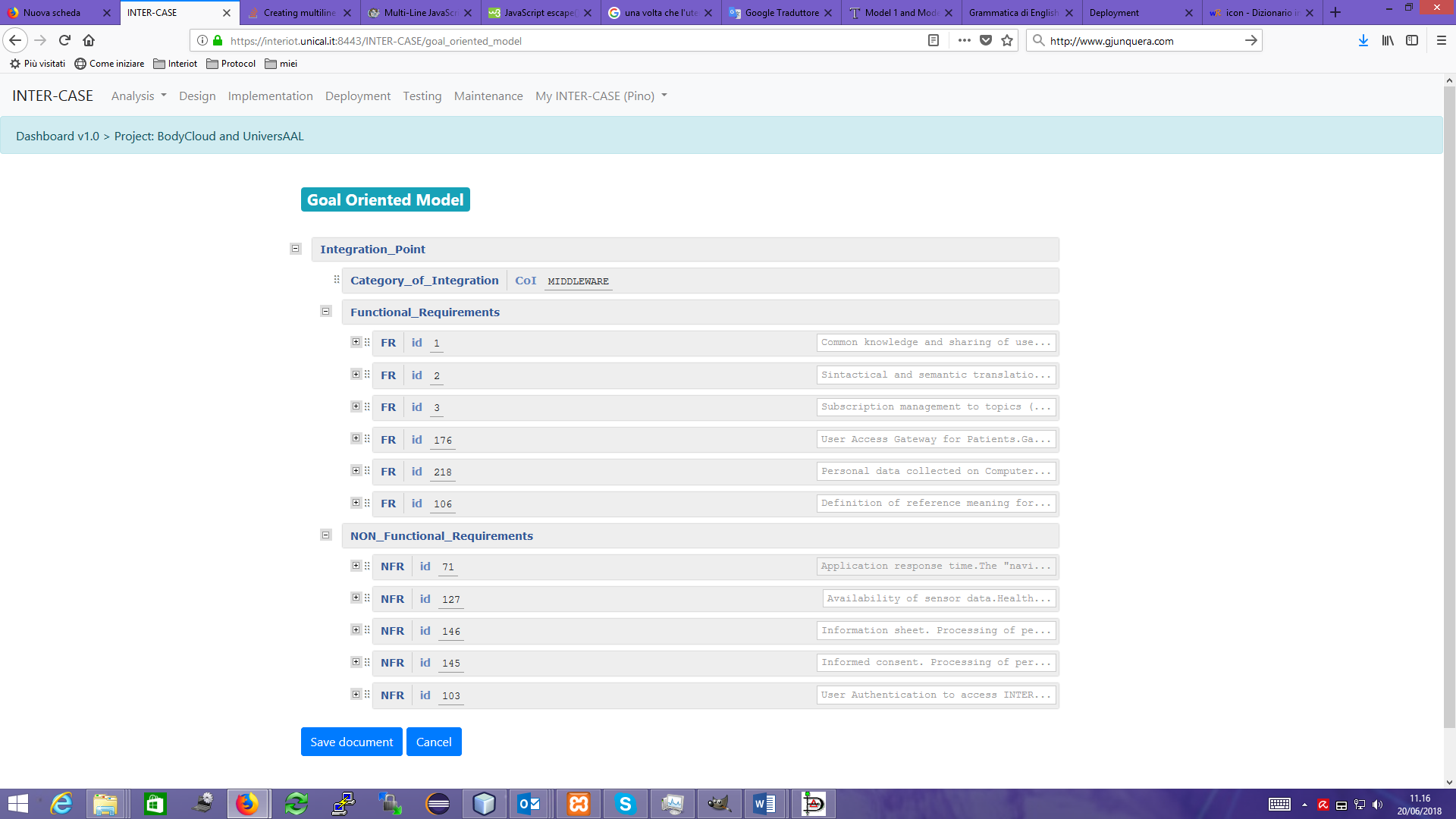
Figure 3.6: Goal Oriented Model of INTER-HEALTH integration
The last activity of the Analysis Phase is represented by the Goal Oriented Model (GOM) production of the Integrated Platform. Here the Integrator user has to refine the Integration Goals in terms of Functional and Non Functional Requirements. In case of INTER-HEALTH, the Integrator user identifies the refined requirements summarized as in Figure 3.6.
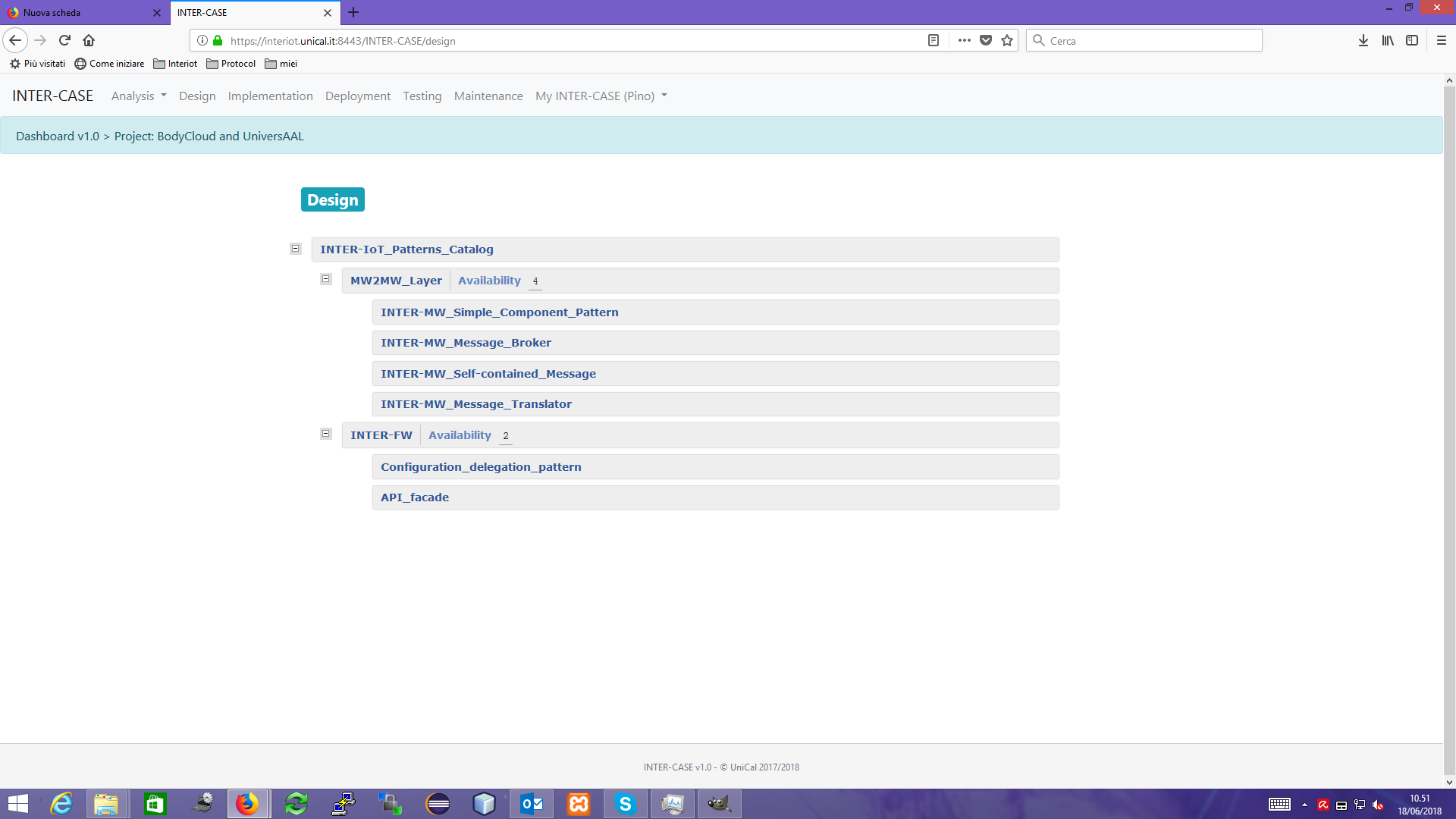
Figure 3.7: List of Integration Patterns of INTER-HEALTH identified in the Design Phase
According to the GOM (and particularly to the list of Category of Integration), in the Design phase, the INTER-CASE proposes the pre-instantiated patterns. In case of INTER-HEALTH both INTER-MW Layer and INTER-FW layer are proposed to the Integrator who is in charge of specific patterns instantiation (see Figure 3.7).